

Kuala Lumpur is quickly becoming known for its amazing nightlife, with a vast variety of bars and so...
Before you travel, it can be easy to feel overwhelmed by the details. Whether you're going to the beach for a weekend or travelling abroad for a month, it can be tempting to toss aside a number of important tasks.
We've put together this handy pre-travel list to help you get your packing done and ensure that you have all the essentials.
Here are the 2 things you should do BEFORE you travel:
1. Check your passport
It’s important to make sure your passport is valid for at least 6 months upon arrival in any country you are traveling to.
Also, check the number of blank pages so that you have enough room for a visa if necessary. Most countries will not add a visa to any page except a visa page. This may not apply to a visa on arrival.
2. Make some copies of your passport
Even if it's not likely to get lost, having a backup copy of your passport can be useful. For instance:
If you lose your passport, at least you have a backup.
Some accommodations may require you to provide a copy. Most places like hotels will have photocopiers or scanners, but there may be some instances, like Airbnb, where providing a copy to your host is needed and will save you time trying to find somewhere to copy your passport.
3. Check what visa is needed
Often overlooked, Every day, individuals have been turned away from a country due to the lack of the proper visa, and if this happens, you cannot even leave the airport. You will be forced to leave the country on the next available flight, which means this "little mistake" could end up costing you a lot of money!.
Please check the corresponding country's official government site you are visiting for the most up to date information. For arrivals into Malaysia please visit ………
4. Check what vaccinations are needed, including Covid
It’s always advisable for you to visit your doctor before visiting a country to get the required prescriptions, if any, filled beforehand and discuss other medical needs that you may have.
Depending on what country you are going to, you may also want to get certain vaccinations or, for example, Malaria tablets. If you are visiting a foreign country, it is highly recommended that you check the current guidelines and get certain vaccinations should you need them.
5. Buy travel insurance
For most people, this is really only necessary if you are travelling outside of your home country.
There are a variety of travel insurance plans and options, but they typically cover emergency medical coverage, evacuation, lost luggage, and trip cancellation.
Discover the best travel insurance policies here
6. Notify your bank and let them know you are travelling overseas
In some countries – such as the majority of Europe, widely considered “safe” by your bank – it does not matter, and your bank will usually not reject your card.
However, as soon as you enter a “risky” country you can forget using an ATM unless you have warned your bank in advance, as your card will quickly get blocked.
So give your bank a quick call or go online and let them know you are travelling. It will save you time and potentially money!
7. Print copies of your tickets
Despite not everyone accepting digital copies of tickets, it does still happen but rarely these days.
We think for peace of mind and as a backup that printing your tickets(airline, train, attractions etc) is a good idea should you have any connection problems or lose a smart device. Better to be safe than sorry!
8. Print copies of your accommodation/car rental reservation
It is always a good idea to have a printed copy of your reservation on hand, even though most will accept a copy from your smart device. This is in case of emergency (no Wi-Fi, no cell service) meaning you will have a hard copy on hand.
This way, you can be sure that you are prepared, and that everything will run smoothly.
9. Double-check the dates of your reservations
We made the mistake of booking a hotel only to find we actually booked a day later than we should have done. Thankfully, we changed the booking without charge but you could end up with a hefty bill if you have got a date wrong.
10. Pack a Travel adapter (or two)
A travel adapter is still necessary whenever you arrive in a new country, particularly when you consider the US uses two types of 2 pin plugs at 120V whereas the UK is 3 pin on 240v. Many airports do have the ability to plug in now as well.
It’s always a good idea to have this easily accessible in order to get some work done or check social media while at the airport!
Check out some great offers for plugs here
11. Check the restrictions on carry-on and checked luggage
Each airline is different, so to ensure they do not charge you excessive amounts at the check-in counter, especially if you are travelling on a budget airline, check ahead and make sure you have the right dimensions for a carry-on, how many you are allowed and if need be, add this to your booking as a chargeable extra. Some airlines may also require you to check in online before your flight. Failure to do so may incur further charges if you don’t. Make sure you read all the fine print!
12. Put a little survival kit together
You Might Also Like
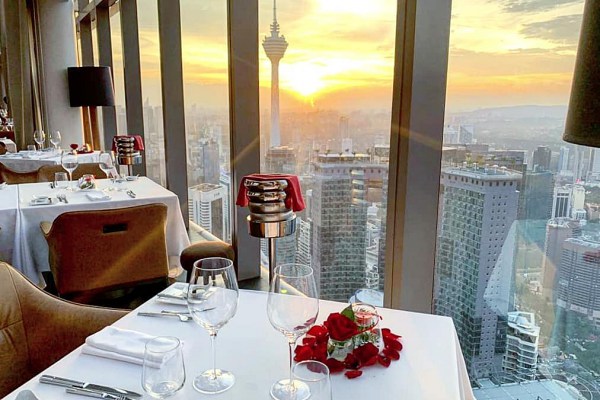
It’s that time of the year for some romantic love in Kuala Lumpur to shower your partner with...

Potions – KL’s Gin & Cocktail Chemist of Yore Step back in time to the days o...

THIRTY8 at the Grand Hyatt in Kuala Lumpur offers a stunning 360 view of the city, delicious cocktai...
Sponsored

If you are looking to put some festive cheer into your Chinese New Year (or just life in general), t...
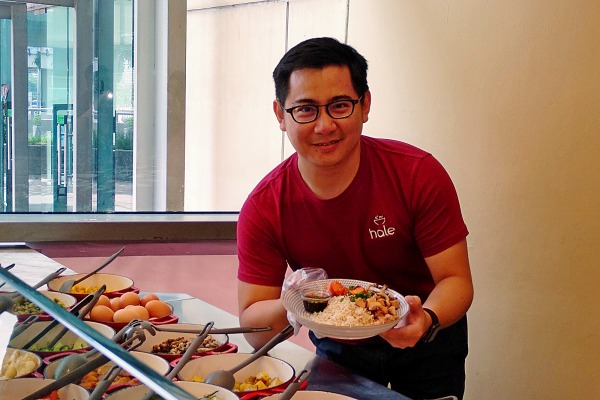
Have a hale and hearty meal at Agrain Often when you think of healthy food, your first thought is...

Food and music. Two things that bring people together, creating community and culture. &n...

Take your taste buds on a magical journey at Wizards. Located at the ground floor of Tribe...
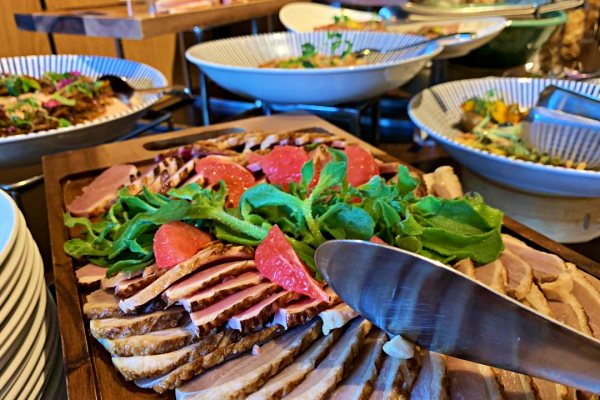
If you are looking for a cosy yet stylish restaurant that captures the flavours of Malaysia, Nipah a...

The Majestic Hotel is one of KL’s historical landmarks. Built in 1932, the hotel has been thro...

The recent opening of the Vogue Lounge has brought fashion dining in Kuala Lumpur to new height...

In KL, if you’re talking about great nightlife experiences, there are some key areas that stan...